


In the world of high-angle work, the 15-minute rule isn’t just a suggestion—it is a biological deadline. In 2026, the CNESST formalized this benchmark because technical data showed that a worker hanging motionless in a fall-arrest harness can lose consciousness in as little as five minutes, with permanent organ damage or death occurring shortly after the 15-minute mark.
Here is the breakdown of why this rule exists and how it changes your operations.
1. The Physiology: Why 15 Minutes?
When an arborist is suspended vertically and motionless, gravity takes over. This leads to Suspension Trauma (clinically known as Orthostatic Intolerance).
- Venous Pooling: Normally, your leg muscles act as a “second heart,” pumping blood back up to your torso as you move. When suspended and still, gravity pulls blood into the lower extremities.
- Reduced Cardiac Output: As blood pools in the legs, less blood returns to the heart. The heart then has less “fuel” to pump to the brain.
- The “Faint” Response: The brain, sensing a drop in oxygen, triggers a faint to get the body horizontal. However, in a harness, the body cannot get horizontal. The brain remains starved of oxygen while the heart rate spikes to compensate.
2. The Regulatory "How" (CNESST 2026)
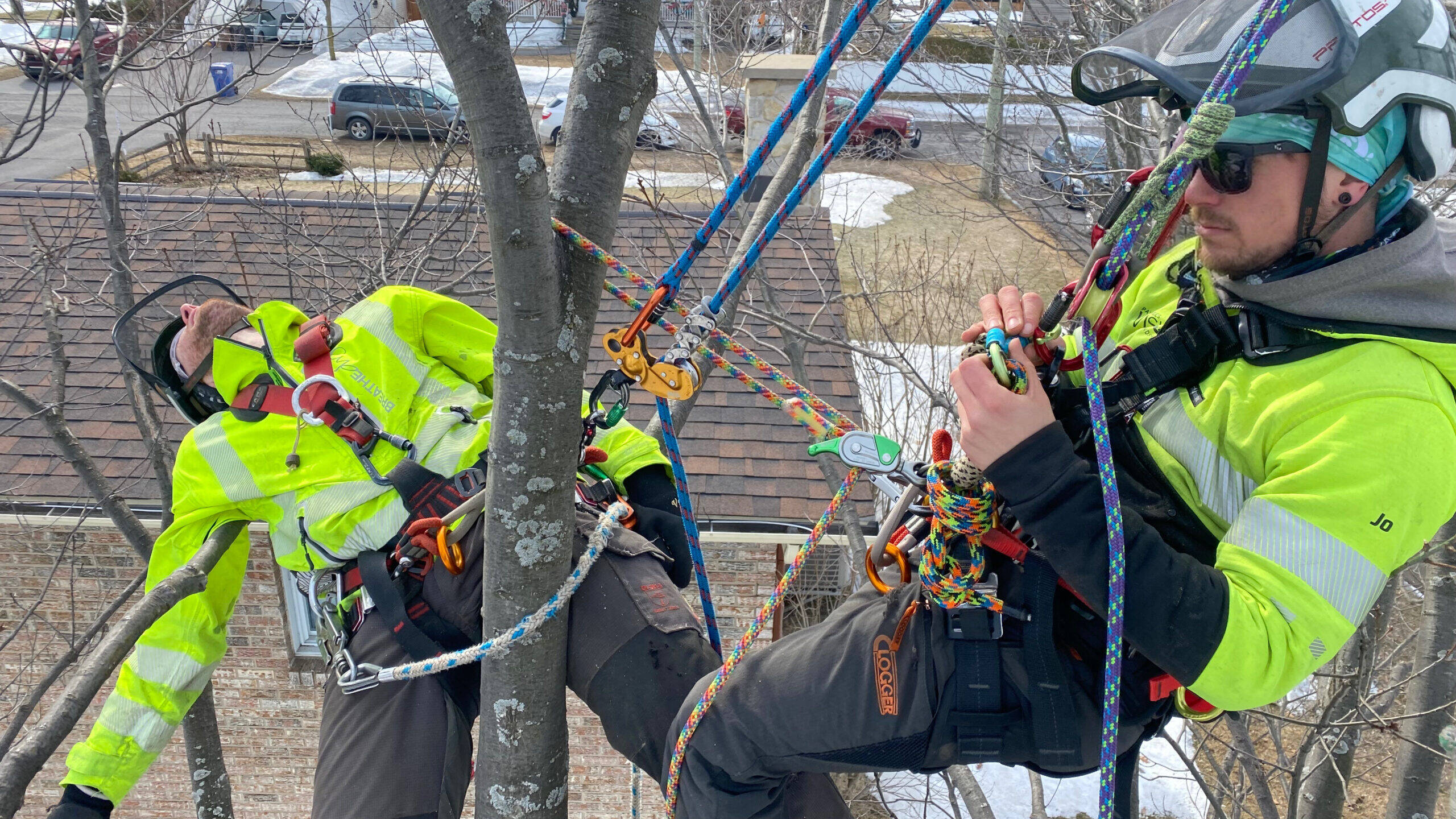
Under the 2026 standards, “having a rope and a plan” is no longer enough. The 15-minute rule mandates Active Rescue Capability:
- Prompt Rescue Definition: The CNESST now defines “prompt” as having the victim on the ground and receiving medical care within 15 minutes of the fall or loss of consciousness.
- Written Procedures: You must have a site-specific rescue plan. If you are working at 60 feet, you must be able to prove (if audited) that your ground crew has the gear and training to reach and lower that climber in under 15 minutes.
- Self-Rescue vs. Assisted Rescue: While self-rescue (using your primary climbing rope and device or secondary line to descend) is possible, the 15-minute rule focuses on Assisted Rescue for when the climber is incapacitated.
3. The "Rescue Positioning" 2026 Update
One of the biggest changes in the 2026 first aid protocols involves what happens after the 15 minutes are up.
Historically, there was a theory called “Reflow Syndrome,” where rescuers were told to keep victims in a “W” or seated position to prevent a “burst” of toxic, deoxygenated blood from hitting the heart too fast.
The 2026 Medical Consensus: Lay the victim flat (supine) immediately. Research has shown that keeping a victim upright actually increases the risk of brain death due to low blood pressure. Laying them flat is the most effective way to restore cerebral blood flow.
4. Practical Implications for Your Crew
To stay compliant with the 15-minute rule, your daily “tailgate” meetings must address:
- Anchor Compatibility: Is the climber on a system that the ground person can lower from the ground (e.g., a base-anchored SRT/SRS line)? If yes, your rescue time is ~60 seconds. If the climber is using multiple re-directs in the tree keep in mind the friction of the rope will greatly reduce the functionality of this method.
- Rescuer Readiness: Does the second person on-site have their harness on or ready to go? If they have to spend 5 minutes finding their gear in the truck, you’ve already lost 33% of your survival window.
- Equipment: Do you have a dedicated “Rescue Bag” that stays at the base of the tree? The CNESST requires rescue gear to be at the base of the tree. This bag should include a climbing rope, climbing device, harness, extra blocks or pulleys, webbing slings a rescue descender device like an ISC D4 or Edelrid MegaWatt, and a Type 3 Intermediate first aid kit. A “go” kit for the Lead Rescuer that can be strapped to their leg (check out MediArb kits) or harness for the climb is also a good add on. It’s also always a good idea to have a second set of climbing spurs on every jobsite where trees will be climbed.
- Delegating Responsibilities: It is required by the CNESST for companies to have a Prevention Action Plan and an Emergency Rescue Plan in place. In addition, each jobsite requiring tree climbing needs to have its own rescue scenario planned. This means that, at the bare minimum, the crew needs to discuss and document aerial rescue during a Job Hazard Assessment and choose a Lead Rescuer, a Secondary Rescuer (if there is an extra person on site) a Communications Person and First Aid Person. Giving each person their role or roles is essential.
- Documented Practice: It is now a CNESST requirement for Arborists to physically practice and run through their emergency protocols. This must be documented and your crew needs to be able to show that they can bring an injured climber down from a tree in under 15 minutes.
Master Arborist Tip
Practicing emergency protocols and aerial rescue once every year is nowhere near enough to become proficient and semi-comfortable in an emergency situation. At our company we practice aerial rescue in April, July and October. We also practice ground based First Aid scenarios at least 6 times every year. As a company owner remember that you have the obligation to make sure that your crews are ready.
Since tree care in Quebec is seasonal for most of us, take those winter months to refine your documentation and prepare practical practice for the next work season.
5. Conclusion: Precision Under Pressure
The 15-minute rule is more than a regulatory requirement; it is a biological ultimatum. In high-angle work, time is the only variable we cannot control once an incident occurs. Suspension trauma is a silent, rapid process that turns a safety harness into a life-threatening constraint in a matter of minutes.
Training Creates the Reflex: Under the stress of a real emergency, we do not rise to the occasion; we sink to the level of our training. We must practice our aerial rescues until they are second nature.
- Operational Discipline: Site-specific rescue plans must be realistic, documented, and verified before the first climber leaves the ground.
- Professional Integrity: Adhering to safety standards is how team commitment is demonstrated. It proves that a company values the lives of its team as much as the legacy of the trees it preserves.
In the world of arboriculture, tree care starts with a team that is safe, prepared, and capable of responding within that critical 15-minute window. Preparation is the only antidote to the clock.

Related Posts
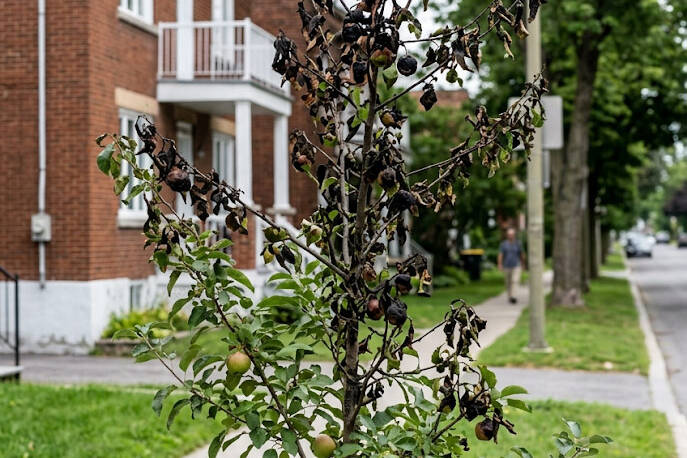
Fire Blight: The Scorched Earth Threat to Your Landscape
In the world of arboriculture, few things are as disheartening as watching a…

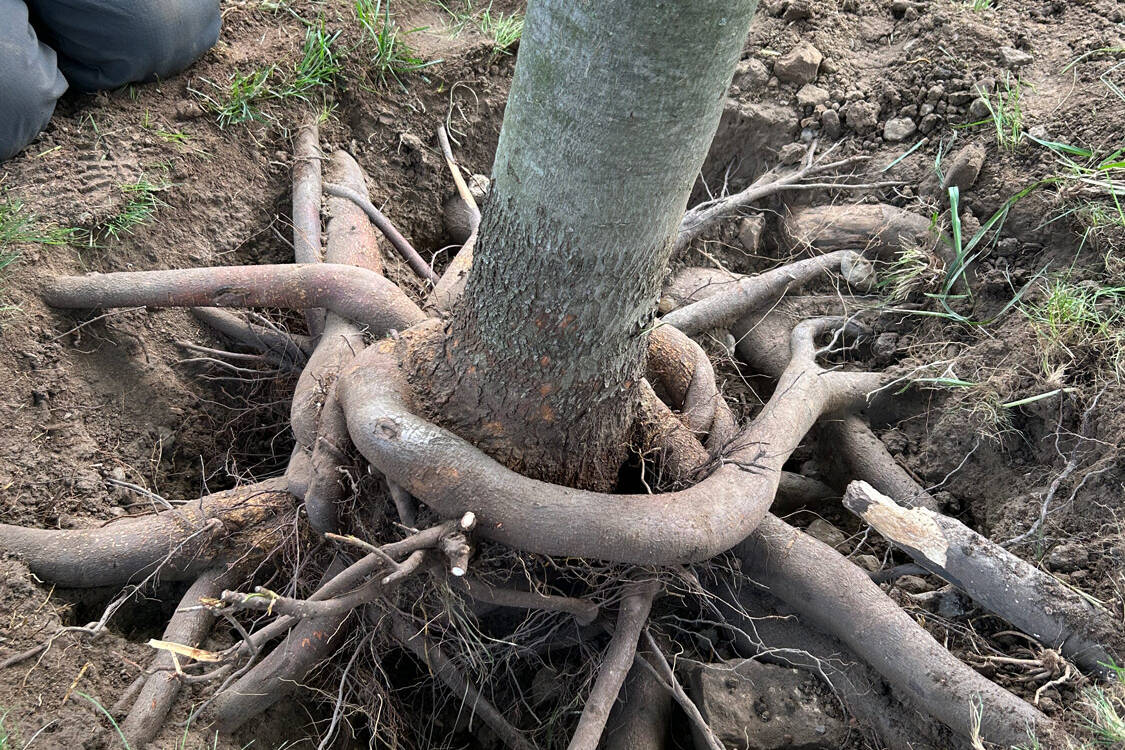
What is Proper Tree Planting?
We’ve all seen it: a beautiful new tree is planted in a front yard, only to die…
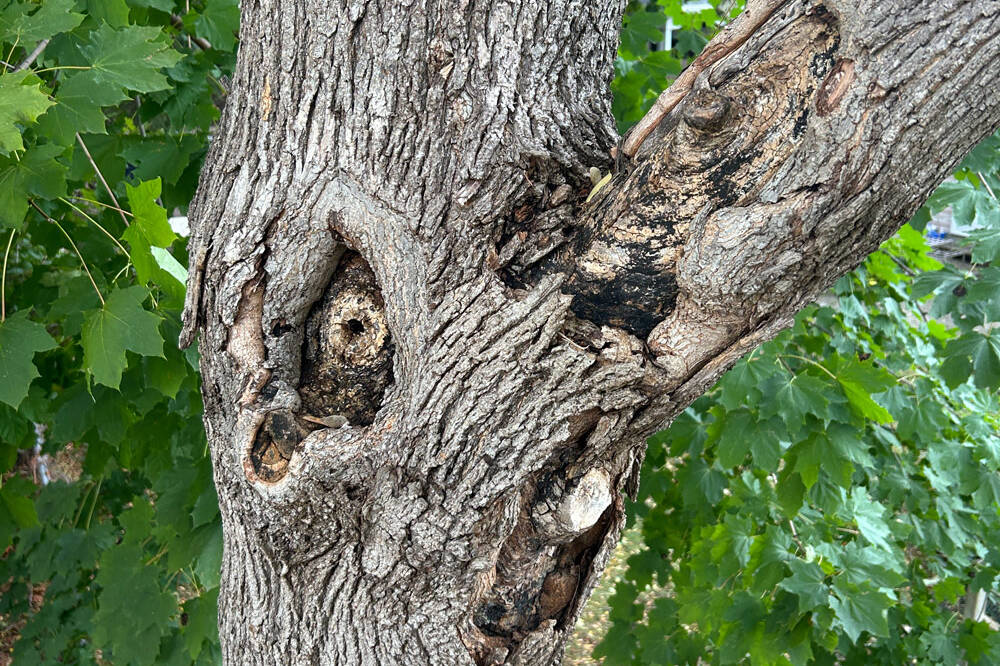
Understanding Eutypella Canker in Your Maples
Maple trees are the crown jewels of many landscapes, and are present in…